
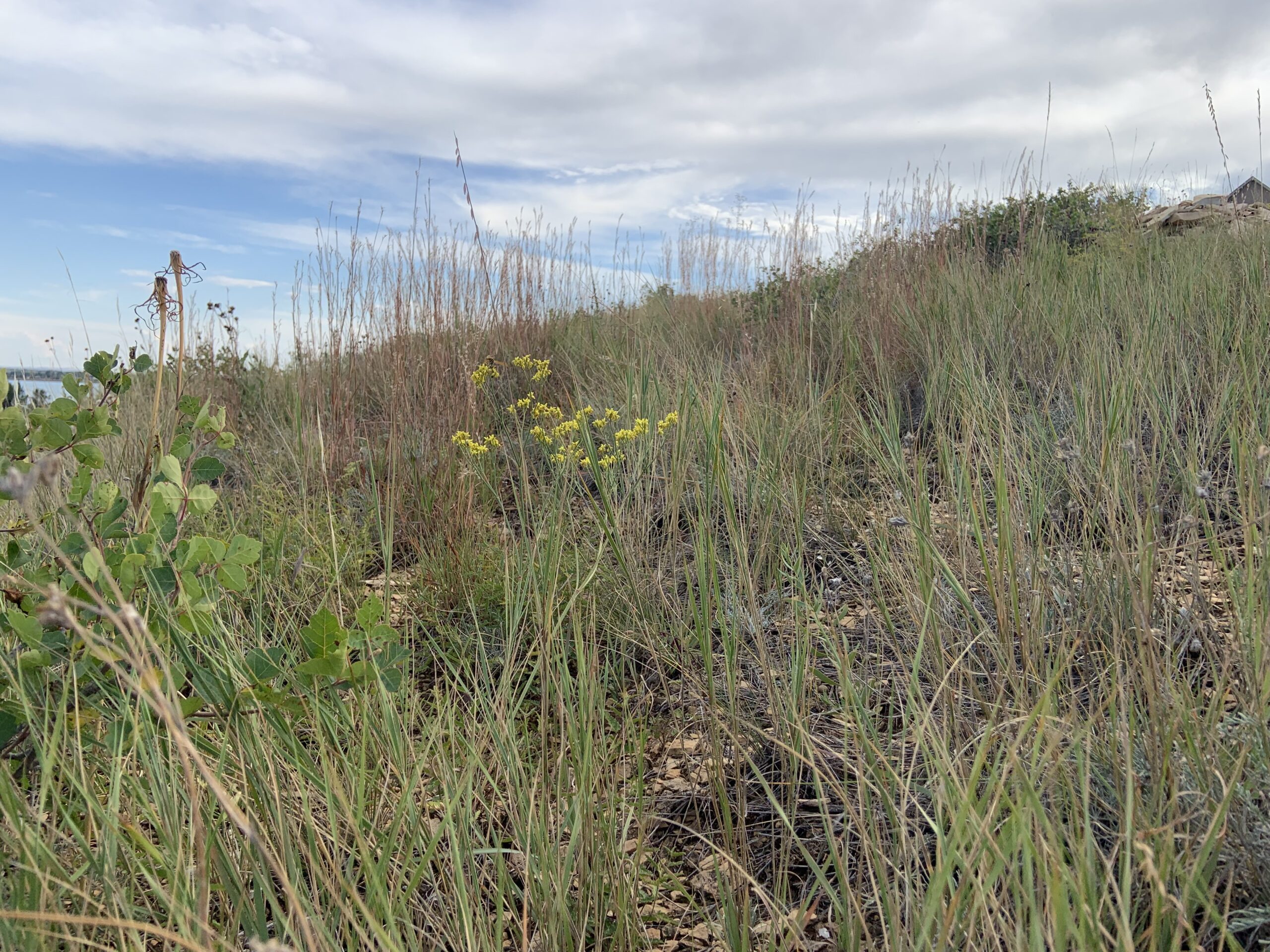
The most famous drought-adapted plant in the world, or at least in the United States, may be a saguaro cactus. Towering over the Sonoran Desert, these plants grow up to 60 feet tall and can swell with several tons of water after a thunderstorm. The influx of water stored in the fleshy stem helps the …
Author Archives: matt.pizzuti
A diatribe against landscape fabric
In an era of rising eco-consciousness, homeowners are gradually moving away from lawns and other heavily irrigated landscapes. The trend is toward xeriscapes, landscapes that are designed for climate they are located in, with plants adapted to thrive on little more than rainfall, and gardens that use efficient irrigation systems like drip systems or, in …
Why snow cover is good for your garden
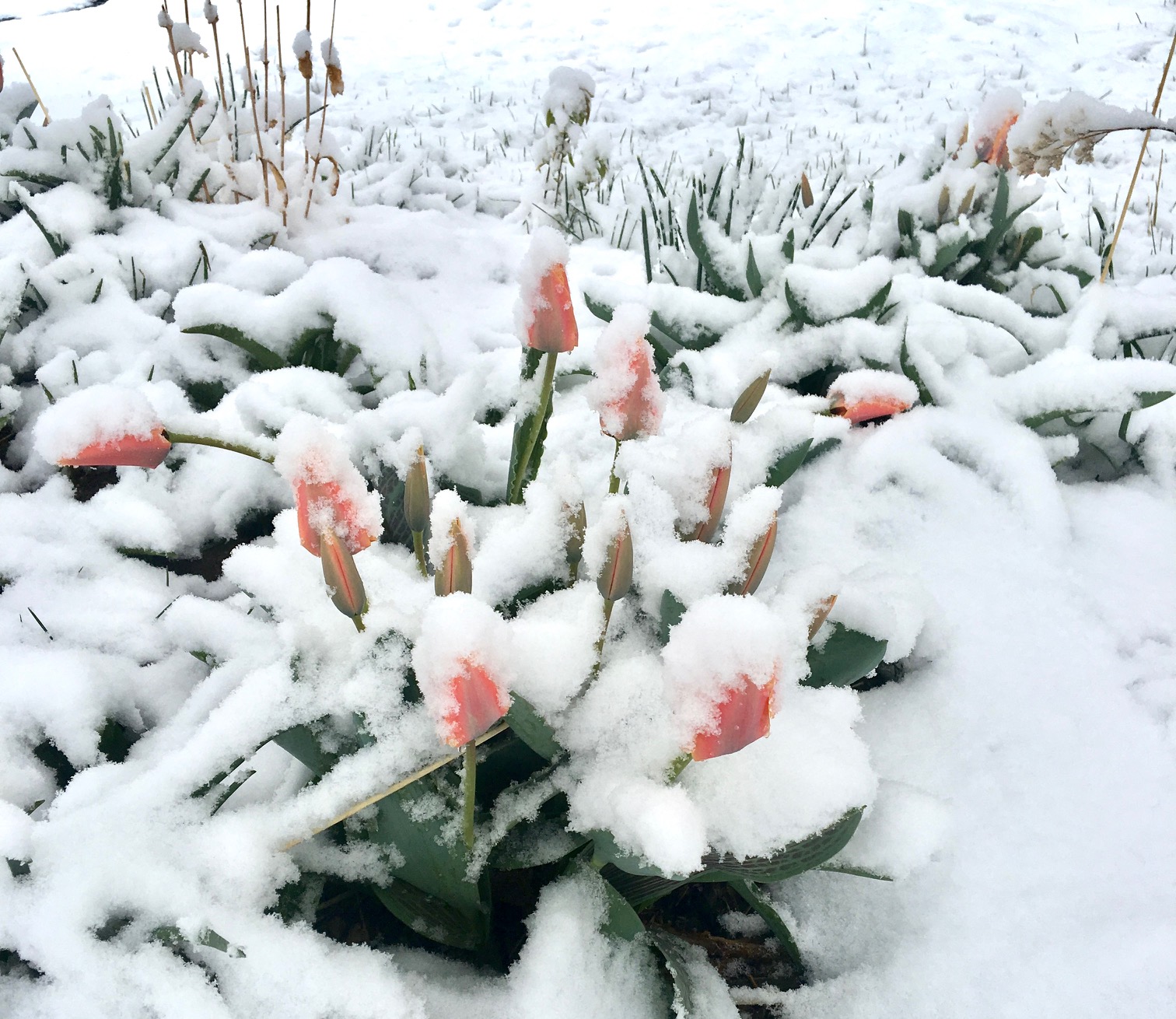
Because snow is mostly air, it is an excellent insulator, keeping temperatures stable at around 25 degrees even in sub-zero weather.
Do trees die of old age?
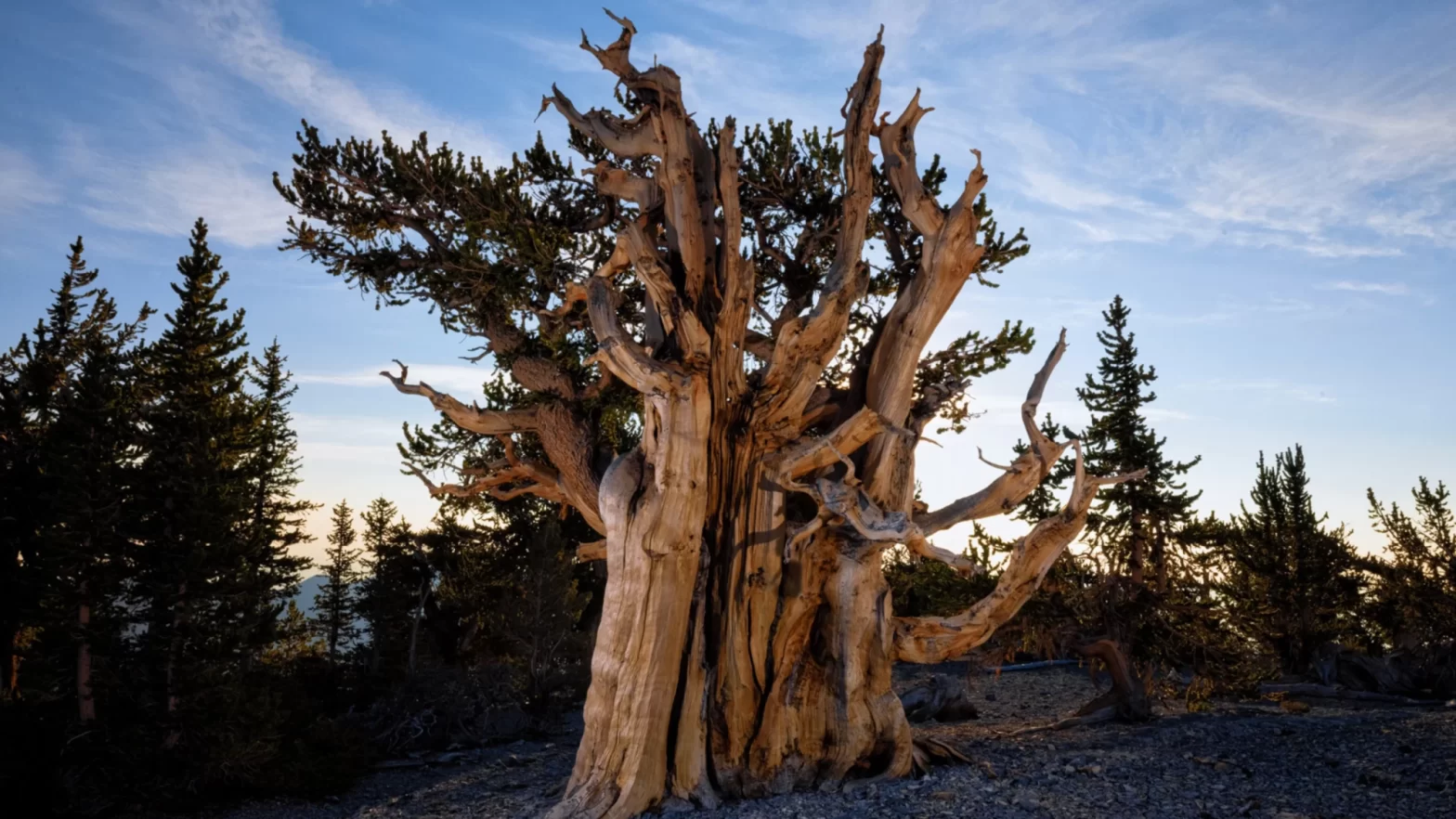
Many common trees have potential lifespans in the centuries, yet we rarely see single-stemmed trees grow past a thousand years old. So what limits them?
Why are there so many dying trees? What emerald ash borer damage looks like and what we learn from it
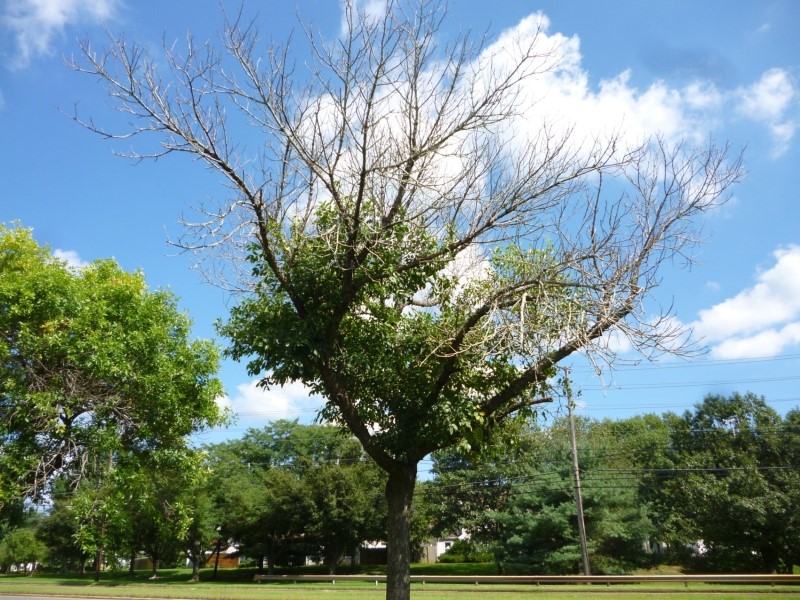
If you follow news about trees and gardening, you’ve probably been hearing for many years the ominous news of a devastating invasive insect called the emerald ash borer. History of the emerald ash borer in North America Ash trees are—or were—one of the most common tree types in North America. Our native ash species include …
The meadow garden: where change takes center stage
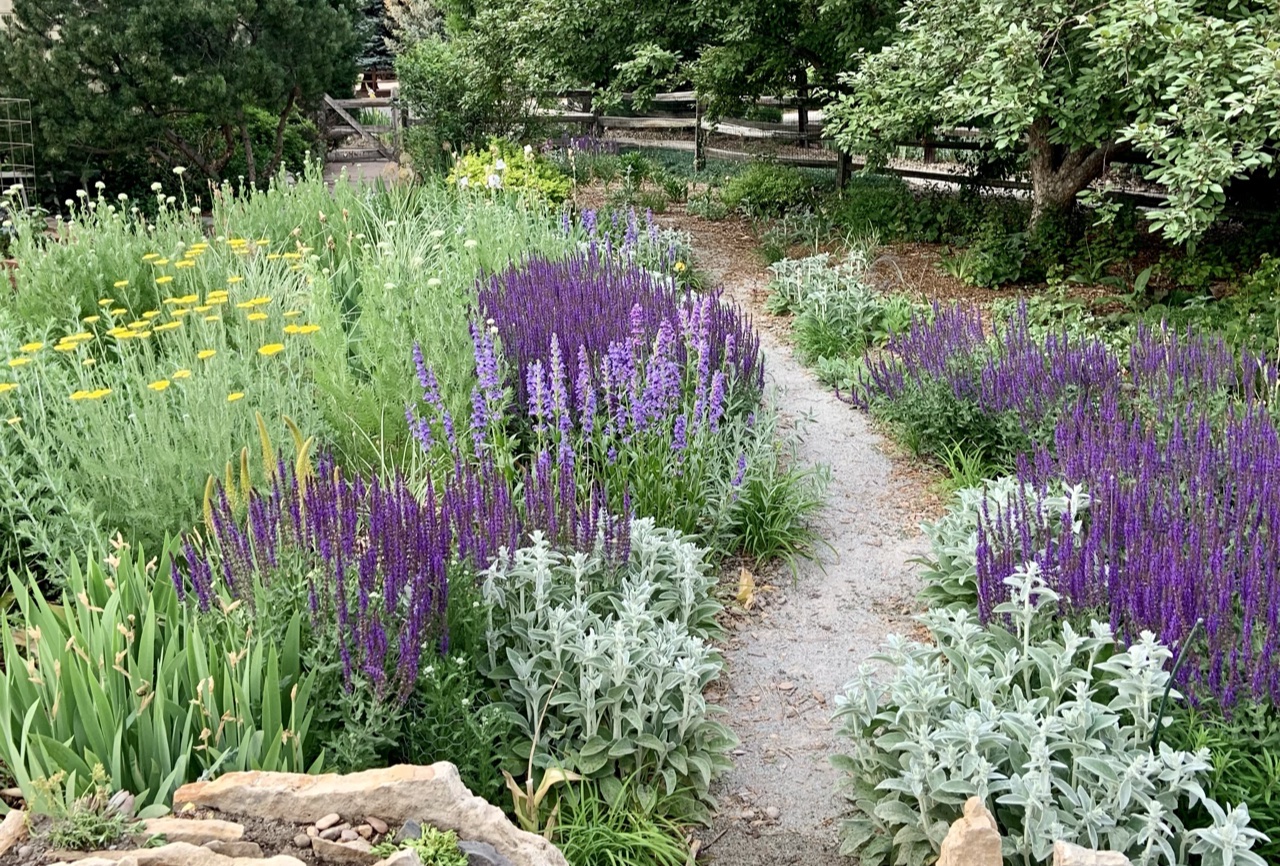
Start planning a meadow garden by identifying inhabited spaces within the garden’s boundaries. If you’d like to build a water feature, bird feeders, a plot for vegetables or a gazebo or deck, designate those spaces first. Your vision for large shrubs and trees should also come before garden beds.
A primer on the cactus family, and growing mountain ball cactus, Pediocactus simpsonii, from seed
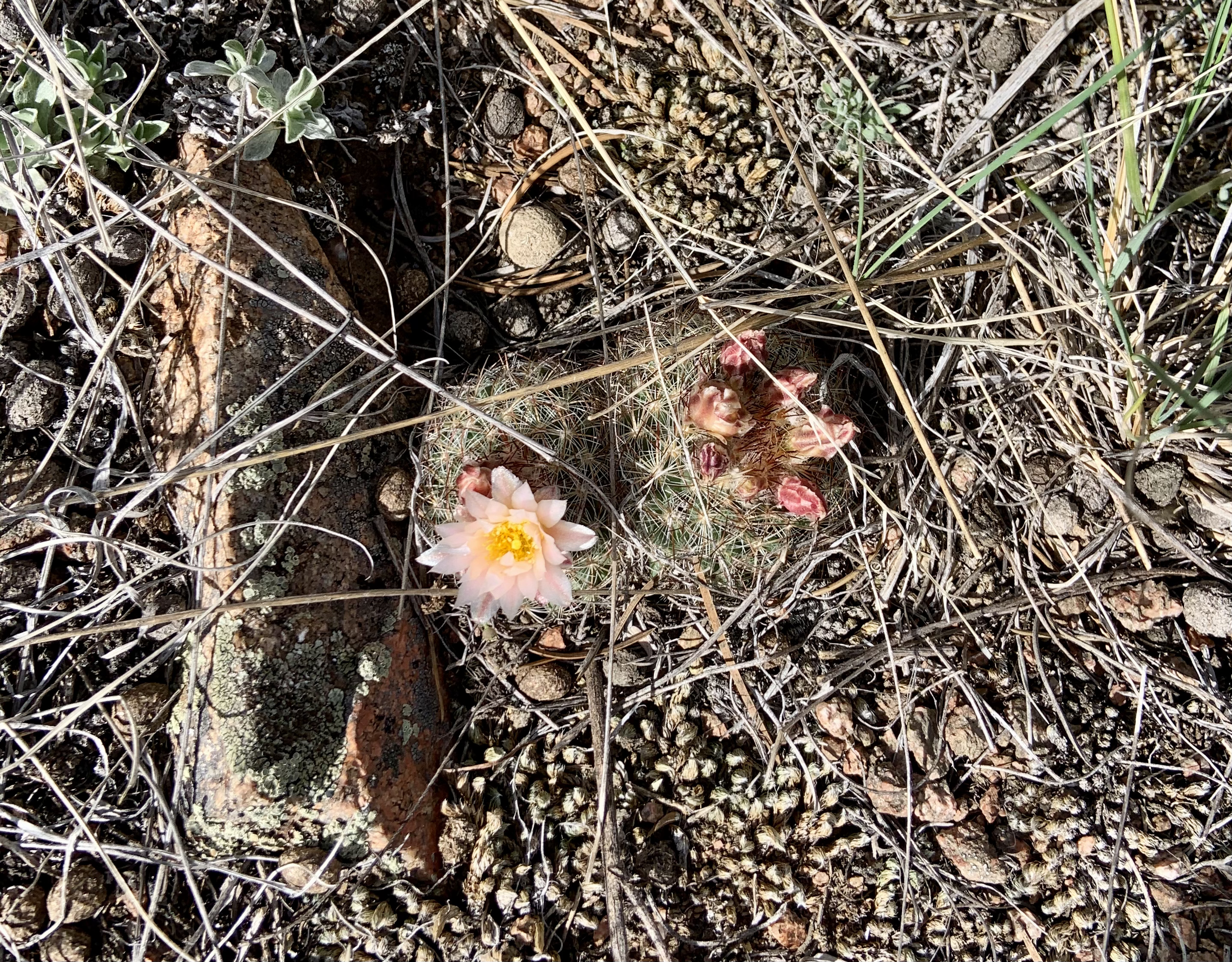
Cacti make up one of the most diverse and rapidly-evolving plant families in the world, native exclusively to the Americas. First appearing about 35 million years ago (fairly recent for such a large group of plants), the first cacti were thorny tropical shrubs with woody stems and lush leaves. They’re hardly recognizable as cacti, but …
What is a crevice garden? An intro to a fun and attractive trend in xeriscape
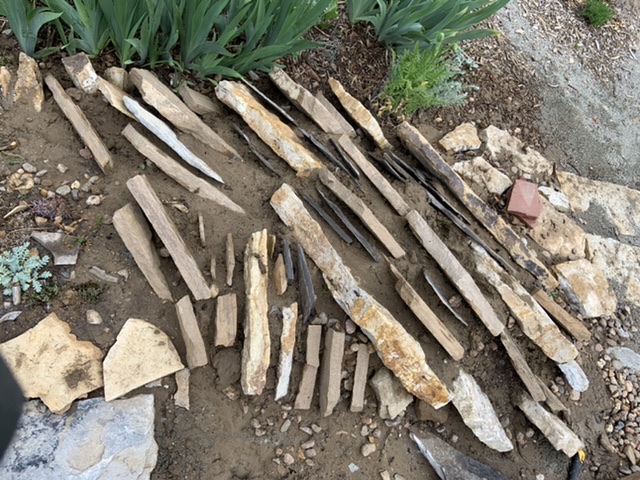
A crevice garden is a style of garden arranging rocks in layers sticking vertically out of the ground. Originating in the Czech Republic, the crevice gardening style mimics natural rock features and plants growing from cliffs and crags. This charming practice is increasingly popular in the United States, particularly Colorado. Thousands of species of plants …
Continue reading “What is a crevice garden? An intro to a fun and attractive trend in xeriscape”
Collecting wild plants for gardens: how to forage responsibly
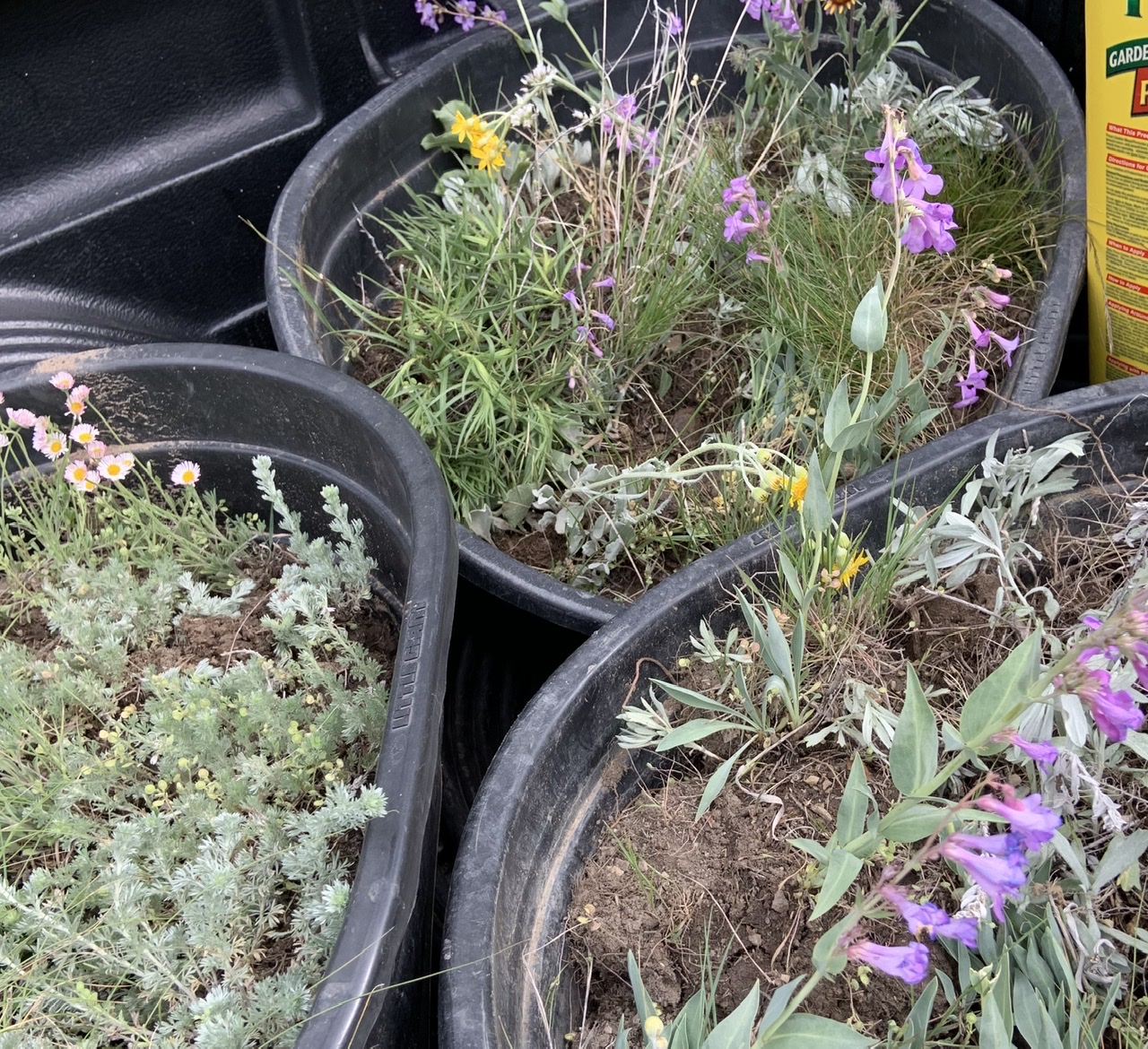
If you like gardening and native plants like I do, you know there are some mixed messages about collecting wild plants. We hear growing native plants is good, but only if they come from reputable commercial nurseries. We’ve learned the harms of picking a wildflower, but give little thought to building with wood, meaning somebody …
Continue reading “Collecting wild plants for gardens: how to forage responsibly”
Bringing tropical cuttings and seeds to life
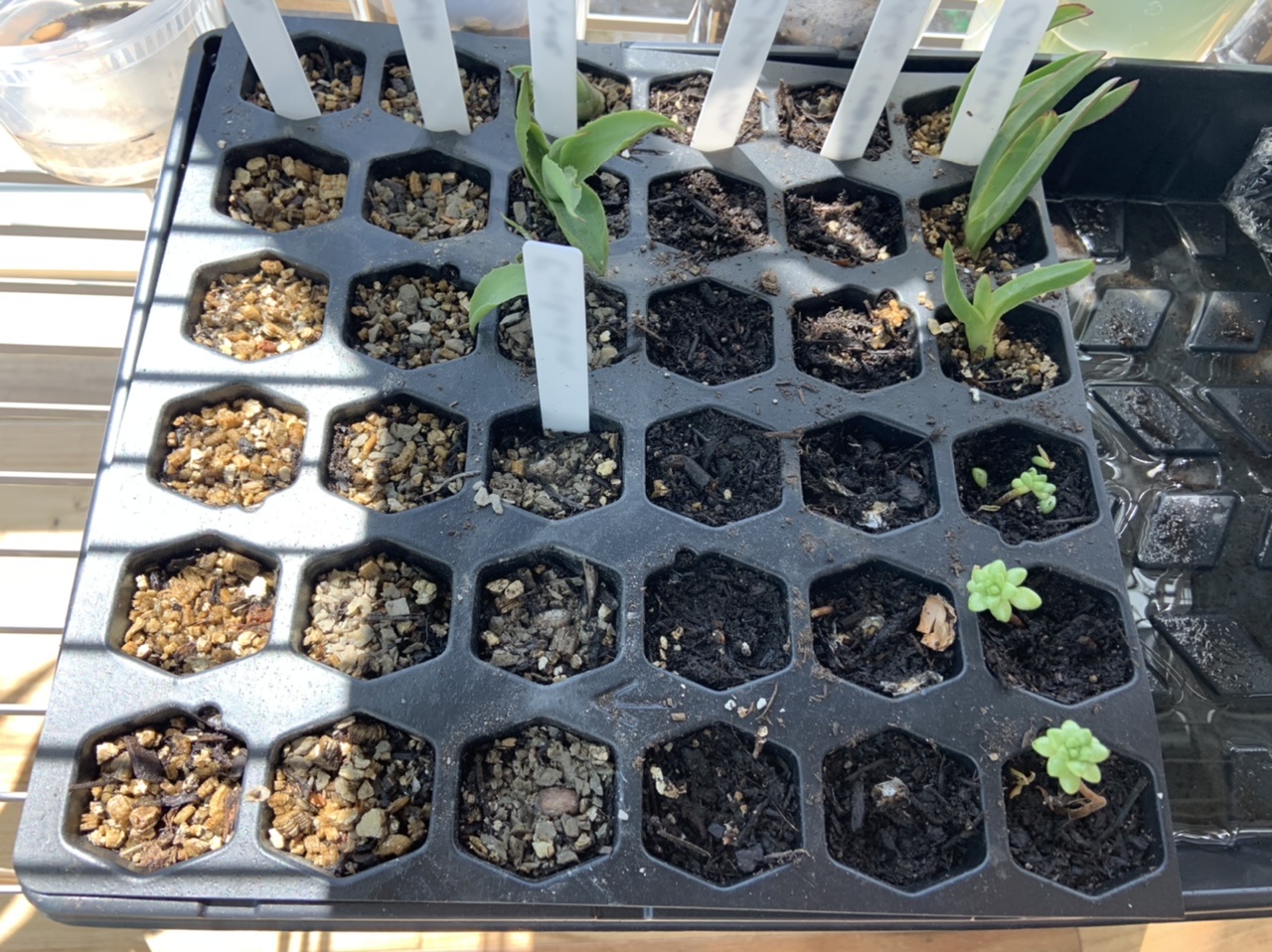
If you love plants, coming home from a trip with a bunch of seeds and plants in tow is like adding an extra day to your vacation. Like an 8 year old back from trick-or-treating with a cache of Halloween candy, you spread your bounty out over the kitchen table and sort through what you …
Continue reading “Bringing tropical cuttings and seeds to life”